
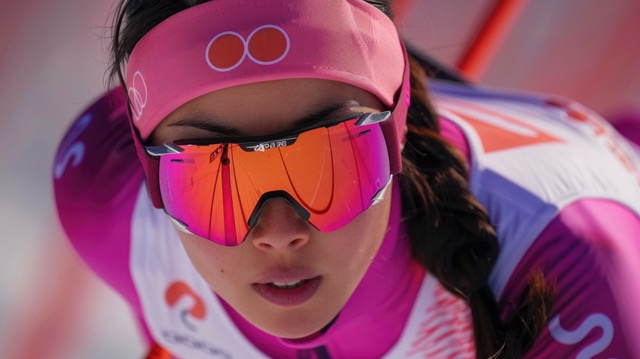
Protect Your Vision, Elevate Your Game: The Athlete’s Guide to Eye Safety
When people think about sports injuries, sprained ankles and pulled muscles usually come to mind. But there’s one type of injury that’s often overlooked — eye injuries. Every year, thousands of athletes, from weekend warriors to seasoned professionals, suffer sports-related eye injuries. The good news? Almost 90% of these injuries are preventable with the right protective gear.
Why Eye Safety in Sports Matters
Your eyes are incredibly delicate. A flying ball, an errant elbow, or even a finger poke can cause serious damage — from minor scratches to permanent vision loss. According to the American Academy of Ophthalmology, sports are one of the leading causes of eye injuries in people under 25. And it’s not just contact sports like basketball or hockey; even non-contact activities like tennis or baseball can pose a risk.
High-Risk Sports for Eye Injuries
While no sport is entirely risk-free, some carry a higher chance of eye injuries. These include:
- Basketball (eye pokes and elbows)
- Baseball/Softball (high-speed balls)
- Racquet Sports (fast-moving balls and rackets)
- Hockey (pucks, sticks, and player contact)
- Marital Arts and Boxing (direct blows to the face)
Even sports like soccer and cycling can result in accidental eye trauma.
The Solution: Protective Eyewear
More than 90% of people needing a prescription for sport are recreational athletes. This puts them at higher risk for ocular injuries as they are not as prepared for protection as professional athletes are.
Modern sports eyewear is designed to be both safe and stylish. Here’s what to look for:
- Polycarbonate Lenses: These are impact-resistant and lightweight.
- Snug, Comfortable Fit: Properly fitting gear won’t shift during play and provides maximum protection.
- Sports-Specific Design: Choose eyewear designed for your activity, like face shields for hockey or goggles for racquetball.
And if you wear prescription glasses, don’t worry — there are plenty of prescription-friendly sports goggles available. Alternatively, contact lenses may also be an option for you, especially now that daily contact lenses provide the great convenience.
Long-Term Benefits of Eye Protection
Wearing protective eyewear isn’t just about avoiding immediate injuries. It’s also about preserving your long-term vision health. Even minor trauma can increase the risk of conditions like glaucoma or retinal detachment later in life. And let’s face it — sitting out a season (or longer) because of an eye injury is a risk no athlete wants to take.
Quick Tips for Eye Safety on the Field
- Always wear sport-specific protective eyewear during games and practice.
- Replace damaged or scratched lenses promptly.
- Encourage teammates and young athletes to prioritise eye safety.
- Regularly visit an eye care professional, especially if you experience any vision changes after playing.
Final Thoughts
Your vision is one of your most valuable assets, both on and off the field. Whether you’re a parent, coach, or athlete, taking proactive steps to protect your eyes is a small investment with big returns. Remember: play hard, play smart, and always play safe.
See the world clearly—inside and out. Until next time!
Karen
0219760445
www.glanzoptometrist.co.za