
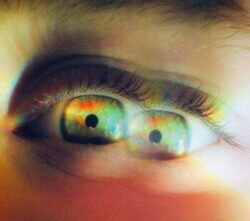
Understanding Binocular Vision: Why It’s Vital for Your Eye Health
Binocular vision refers to the ability of both eyes to work together as a team to perceive depth and a single, cohesive image. This ability is vital for a range of activities, from driving and playing sports to reading and navigating complex environments. For individuals with binocular vision problems, even simple tasks can become a challenge. In this blog, we’ll explore the significance of binocular vision, common issues that affect it, and how an optometrist can help.
What is Binocular Vision?
When you look at an object, each eye receives a slightly different image because they are positioned a few centimetres apart. Your brain combines these images to create a single, three-dimensional perception. This process is called stereopsis or depth perception, and it’s crucial for everyday activities such as judging distances, catching a ball, or navigating obstacles.
Proper binocular vision allows for the accurate coordination of both eyes. When this system is disrupted, it can lead to various vision problems that impact early development and quality of life.
Common Binocular Vision Problems
While most people take binocular vision for granted, certain conditions can impair the coordination of the eyes:
- Strabismus (Squint/Crossed Eyes): This is a condition where the eyes are not properly aligned and point in different directions. One eye may turn in, out, up, or down, while the other eye focuses on an object. Strabismus can cause double vision and difficulties with depth perception.
- Amblyopia (Lazy Eye): Often linked to strabismus, amblyopia occurs when one eye fails to develop proper vision during childhood. The brain “ignores” the input from the weaker eye, leading to vision issues such as poor depth perception.
- Convergence Insufficiency: This condition occurs when the eyes struggle to turn inward and focus on nearby objects. Symptoms include eye strain, double vision, and difficulty reading or doing close-up tasks for extended periods.
- Binocular Vision Dysfunction: Sometimes, the eyes can be properly aligned, but they still don’t work together well. This can lead to symptoms such as headaches, fatigue, and difficulty concentrating.
Signs You Might Have Binocular Vision Problems
If you experience any of the following symptoms, it could be an indication that your binocular vision is not functioning as it should:
- Double Vision: Seeing two images instead of one can be a sign of misalignment or a problem with eye coordination.
- Eye Strain: Fatigue or discomfort, especially after reading or using a computer, can suggest your eyes are working harder than they should.
- Difficulty with Depth Perception: Struggling with activities like driving, sports, or even judging distances when reaching for objects can signal binocular vision issues.
- Headaches or Nausea: Frequent headaches or feeling nauseous after tasks that involve eye use can be another red flag.
Sudden onset of double vision, also known as diplopia, can be caused by a range of factors, from minor issues like stress or fatigue to more serious conditions like a stroke or brain tumour. Other causes can be due to systemic conditions like diabetes and thyroid disease. Recent onset of diplopia needs to be treated as an emergency until ruled out otherwise.
How Optometrists Diagnose and Treat Binocular Vision Problems
Optometrists are trained to diagnose and manage binocular vision disorders. Through a series of tests that evaluate eye alignment, coordination, and focusing abilities, an optometrist can identify dysfunctions.
Treatment options may include:
- Vision Therapy: A structured program designed to improve eye coordination, focusing abilities, and depth perception. This involves daily exercises to help the eyes work together more efficiently.
- Prisms: Special lenses that can help realign the images seen by both eyes, reducing symptoms of double vision. This does not correct the misalignment of the eyes.
- Glasses or Contact Lenses: In some cases, corrective lenses may be prescribed to improve eye alignment or focusing ability.
- Surgery: In rare cases of strabismus or misalignment, surgery may be needed to correct the position of the eyes.
Conclusion: The Importance of Regular Eye Exams
Binocular vision is essential for so many aspects of daily life, yet many people are unaware of how important it is until a problem arises. Regular eye exams can help detect binocular vision issues early, preventing them from affecting your quality of life. If you experience symptoms like double vision, eye strain, or difficulty with depth perception, consider visiting an optometrist for an evaluation. The sooner you address these concerns, the sooner you can get back to living your life with clear, comfortable vision.
If you’d like to learn more about binocular vision or book an eye exam, feel free to contact Glanz Optometrist. Healthy eyes are just a check-up away!
See the world clearly—inside and out. Until next time!
Karen
0219760445
www.glanzoptometrist.co.za
Social Media Caption
“Ever wondered how your eyes work together to see the world in 3D? Binocular vision is the incredible ability of both eyes to coordinate, creating depth perception and helping us judge distances with precision. From reading to sports, it’s vital for everyday life! #BinocularVision #EyeHealth #VisionMatters #DepthPerception #Optometry”